
Irrigation Planning for Healthier Lawns and Planting Beds
A.J. Kraig helps property owners water smarter with irrigation service that matches turf, beds, sun exposure, and seasonal conditions.
Irrigation should support the landscape without wasting water
Irrigation is most effective when it is matched to the actual landscape. Turf in full sun does not need the same schedule as shaded foundation beds. Newly planted shrubs need different watering than mature turf. A.J. Kraig evaluates zones, coverage, pressure, drainage, plant needs, and controller settings before recommending changes.
Northeast Ohio weather makes irrigation planning more nuanced than simply running sprinklers every morning. Spring rain, summer heat, clay soils, slopes, and shaded areas all affect how water moves and how long it stays available to roots. Poorly adjusted systems can waste water, create fungus pressure, or leave dry strips that decline in August.
Our irrigation work can support new landscape installations, existing lawns, commercial properties, and seasonal maintenance. We focus on practical watering patterns, system reliability, and coordination with mowing, planting, and hardscape areas.
Irrigation details that affect results
Coverage, timing, pressure, and plant needs determine whether the system helps or hurts the landscape.
Zone coverage
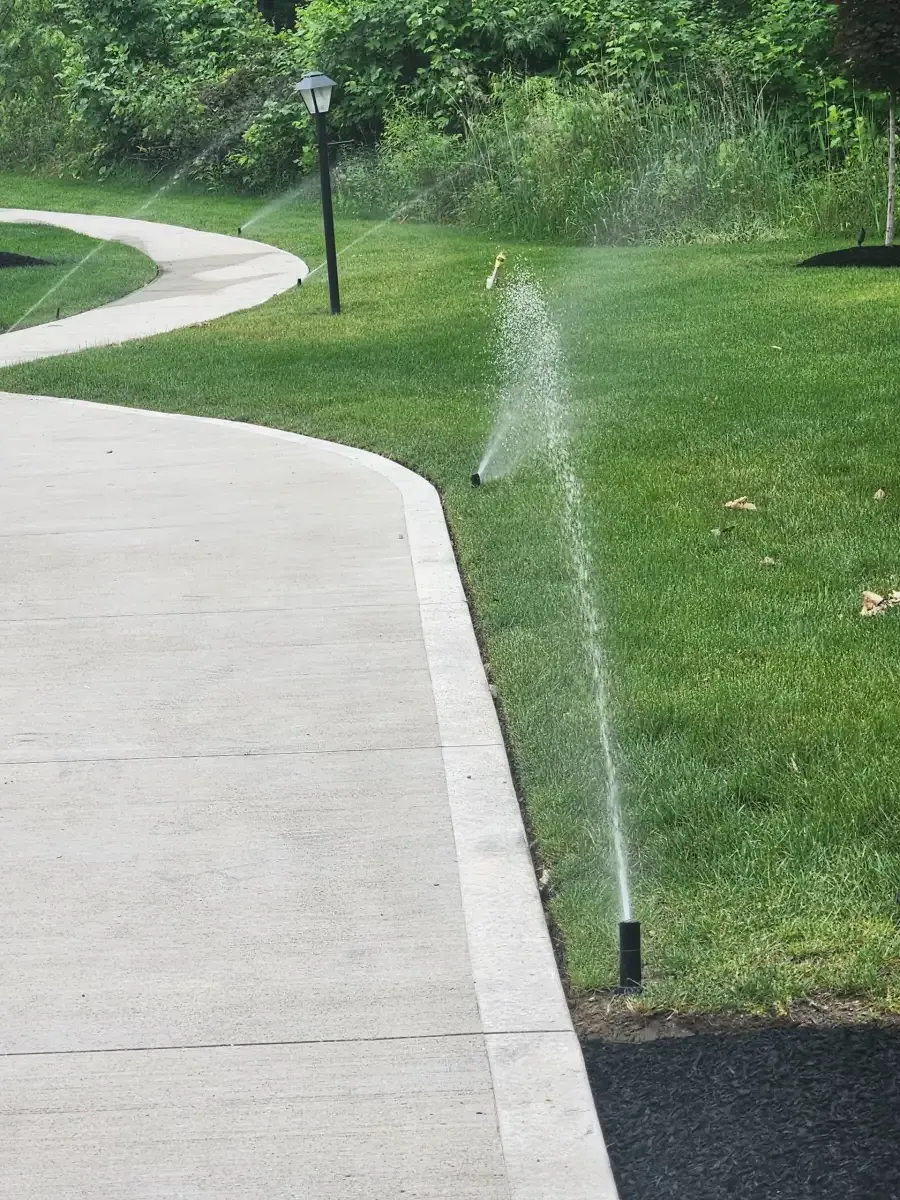
Heads should cover turf and beds evenly without soaking walks, drives, siding, or patios.
Controller settings
Run times and schedules should change with season, rainfall, new plantings, and heat stress.
System condition
Leaks, clogged nozzles, tilted heads, and pressure issues can waste water and leave dry areas.
Irrigation support for new and existing landscapes
A.J. Kraig can review existing irrigation systems, adjust heads, coordinate watering for new plantings, and help prepare systems for seasonal use. We look for mismatched zones, overspray, dry spots, leaks, low pressure, and controller settings that no longer match the landscape.
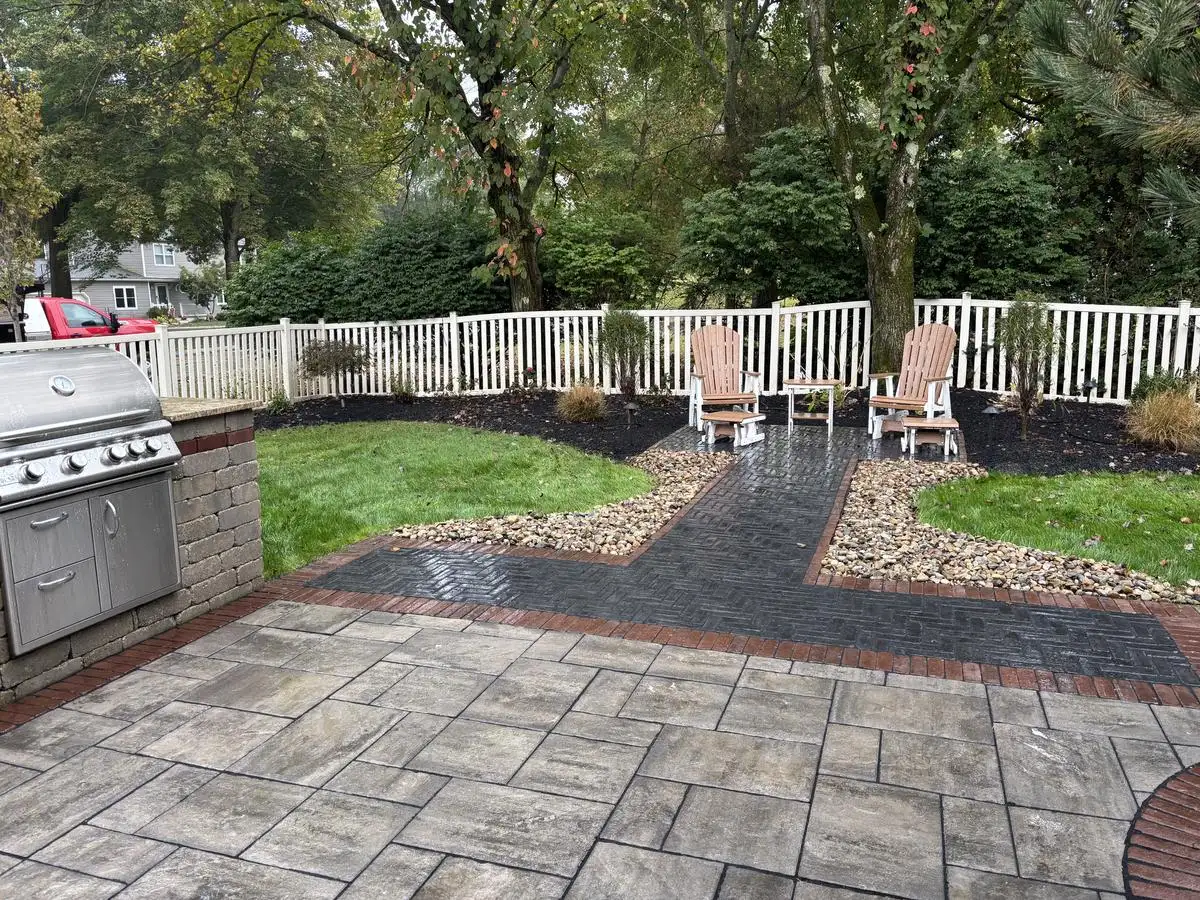
Irrigation is often tied to larger work. A new patio may require head relocation. A bed renovation may need drip coverage. Synthetic turf requires different water considerations than living turf. Coordinating those changes prevents a system from damaging new work or neglecting new plants.
- Spring startup - System activation, visible checks, zone review, and initial controller settings.
- Coverage adjustment - Nozzle, head, and arc adjustments to reduce dry spots and overspray.
- Planting support - Watering plans for new trees, shrubs, perennials, and bed renovations.
- Repair review - Leaks, broken heads, low pressure, and obvious controller issues identified.
- Hardscape coordination - Heads relocated or protected around patios, walks, walls, and outdoor living work.
- Seasonal changes - Run times adjusted as heat, rainfall, and plant needs change.
Sprinkler Performance Across the Property
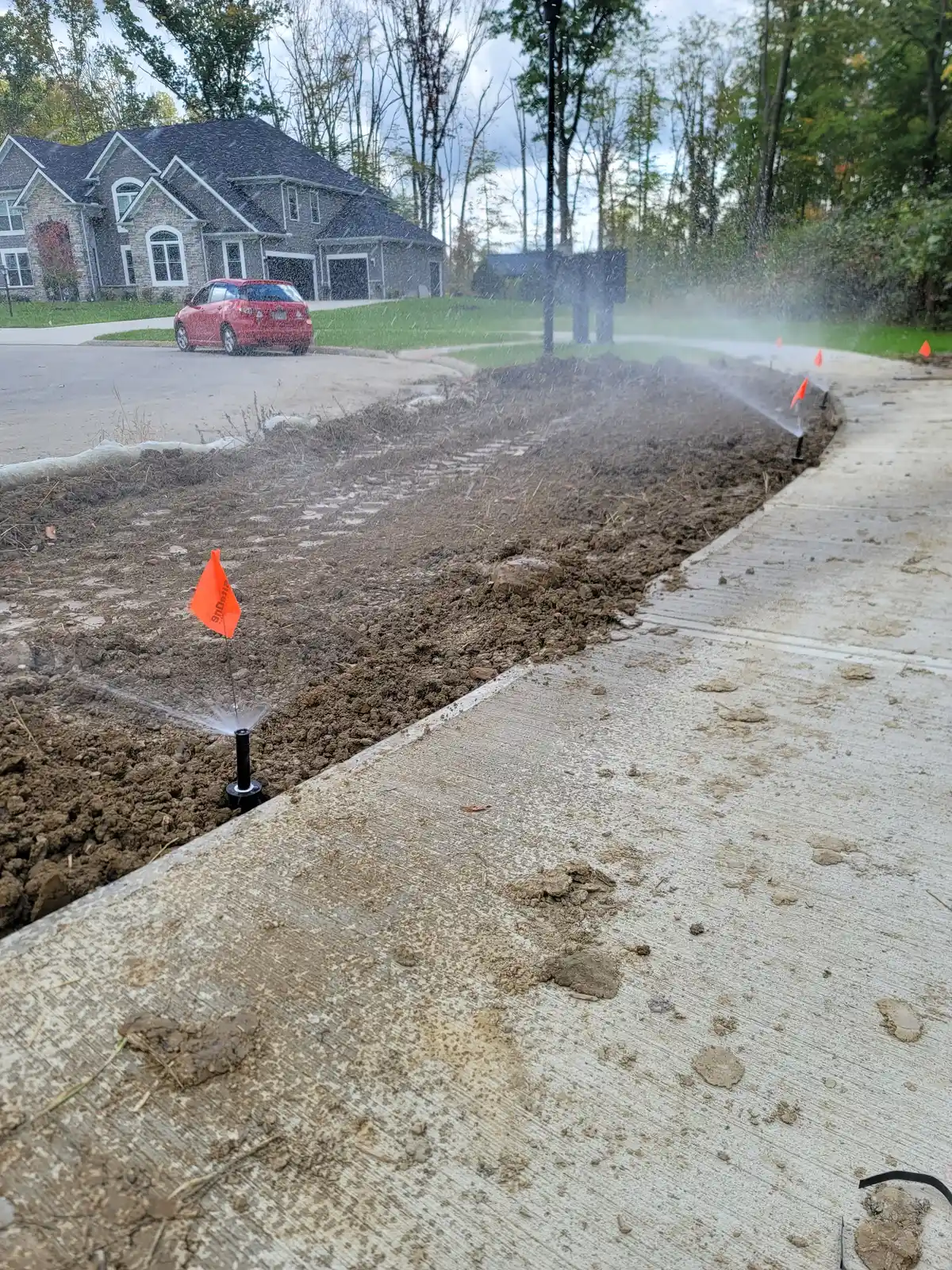
Irrigation problems show up as dry lawn strips, soggy beds, overspray on pavement, stressed new plantings, or a controller schedule that no longer fits the season. A.J. Kraig evaluates how water moves through turf, foundation beds, slopes, sunny exposures, shaded pockets, and commercial lawn areas before recommending adjustments.
Running every zone for the same length of time rarely matches real site conditions. Soil, shade, slope, head spacing, nozzle type, pressure, rainfall, and plant maturity all affect watering needs. Checking those items helps reduce waste while giving the lawn and beds more consistent moisture.
Startup and summer service should include zone testing, head alignment, controller review, obvious repair notes, and schedule changes for heat or rainfall. Northeast Ohio properties can vary block by block, especially where clay soil, mature trees, patios, and grade changes create different watering zones.
Irrigation planning should also account for lawn care, planting, synthetic turf changes, patio installation, drainage, and seasonal maintenance. Coordinating those services keeps watering decisions aligned with the landscape as it changes.
Irrigation FAQ
Most Northeast Ohio systems are started after freezing risk has passed and the landscape begins active growth. Weather can shift the timing from year to year.
Dry strips may come from blocked heads, poor pressure, incorrect nozzles, wind exposure, compacted soil, or zones that do not overlap correctly.
Yes. New beds, shrubs, patios, and turf repairs often require head adjustments, drip additions, or schedule changes.
Yes. We can adjust heads, arcs, nozzles, and run times to reduce water on walks, drives, patios, siding, and streets.
Watering decisions should follow the landscape, not the clock
A sprinkler controller can make the yard look automated, but the landscape still needs observation. Full-sun turf, shaded beds, new shrubs, slopes, and compacted strips near pavement all dry at different rates. A.J. Kraig reviews these differences so irrigation supports plant health instead of simply adding more minutes to every zone.
Seasonal changes matter as well. A schedule that works in July may be wasteful in a rainy spring or insufficient during a dry August. Irrigation should be adjusted as weather changes, plant roots establish, or landscape beds are modified.
Water the landscape with more control
A.J. Kraig can review the irrigation system and recommend adjustments that fit your lawn, beds, and seasonal conditions.