
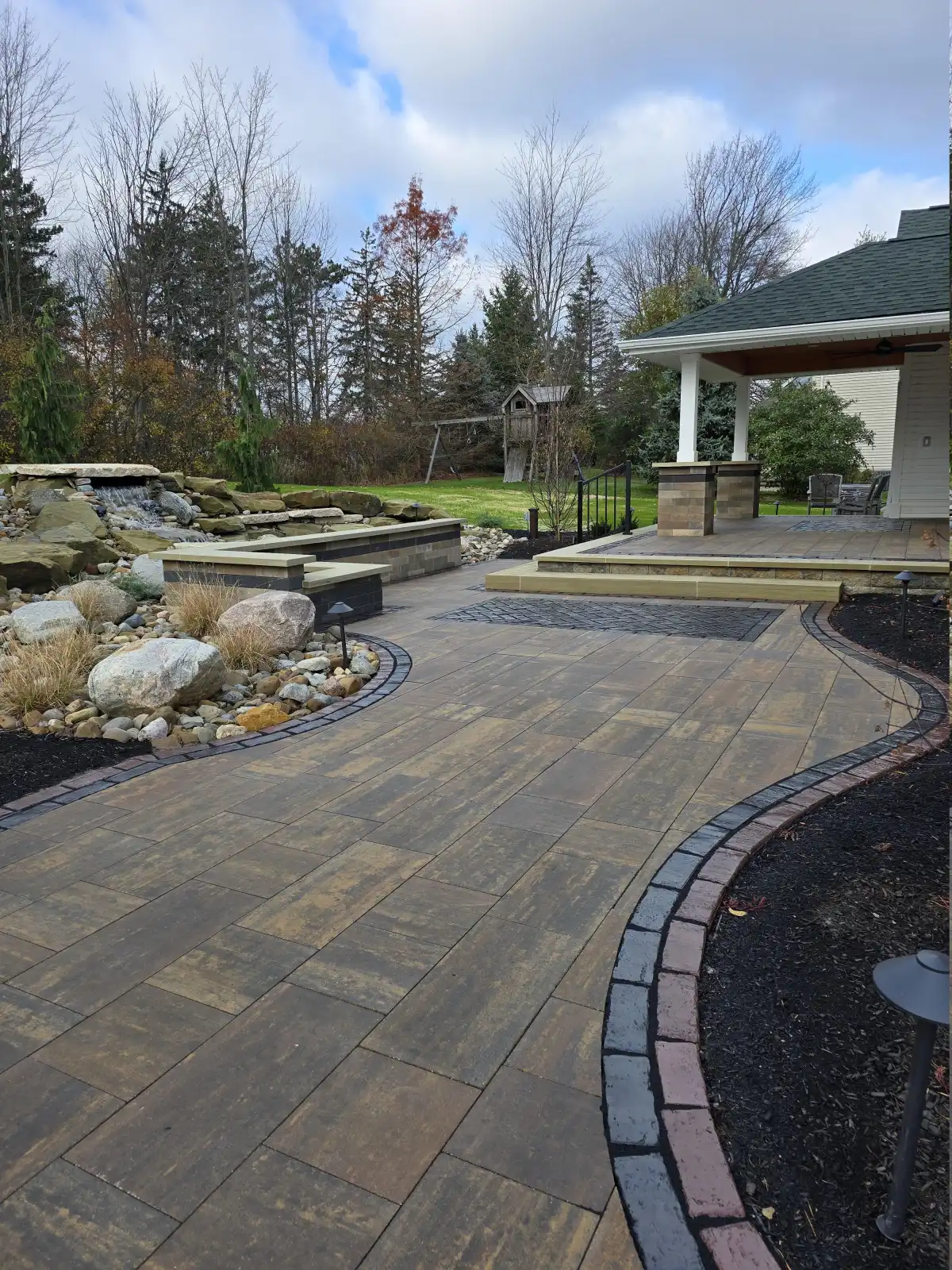
Paver Patio Installation for Outdoor Living in Northeast Ohio
A.J. Kraig installs paver patios that feel like outdoor rooms, with the base, drainage, and layout needed for long-term use.
A patio should fit furniture, traffic, shade, and the house
Patio installation is not just choosing a paver and filling a rectangle. A useful patio has to fit the doors, steps, grill location, seating, sun exposure, drainage, and how many people will use the space. A.J. Kraig starts with those practical questions before discussing colors and patterns.
Northeast Ohio patios also need careful base preparation. Clay soils, freeze-thaw cycles, downspout water, and shaded areas can all affect performance. We build with proper excavation, compacted aggregate, pitch, edge restraint, and joint material so the patio remains comfortable and stable.
A patio may be the first phase of a larger outdoor living plan. We can leave room for a future fire pit, seating wall, lighting, outdoor kitchen, or surrounding planting beds. Thinking through those future options during installation keeps the layout flexible.
Patio choices that affect daily use
A patio succeeds when it is sized for real furniture and built to shed water correctly.
Furniture layout
Dining tables, lounge chairs, grills, and fire areas need clearances that look generous after installation.
Door and step flow
Transitions from the house should be safe, comfortable, and aligned with how people enter the yard.
Water management
Pitch, base, drains, and surrounding grade keep water from sitting near the home or patio surface.
What patio installation can include
A.J. Kraig installs new patios, replaces tired patio surfaces, expands existing outdoor living areas, and adds connected features such as walks, steps, seating walls, and fire pits. We can help clients compare paver styles, laying patterns, border details, and color blends that fit the home.
The proposal accounts for access, demolition, excavation depth, base stone, compaction, cuts, edge restraint, drainage, and finish restoration. Those details are what separate a lasting patio from a surface that looks good only for the first season.
- Dining patios - Layouts sized for tables, chairs, grills, and easy movement.
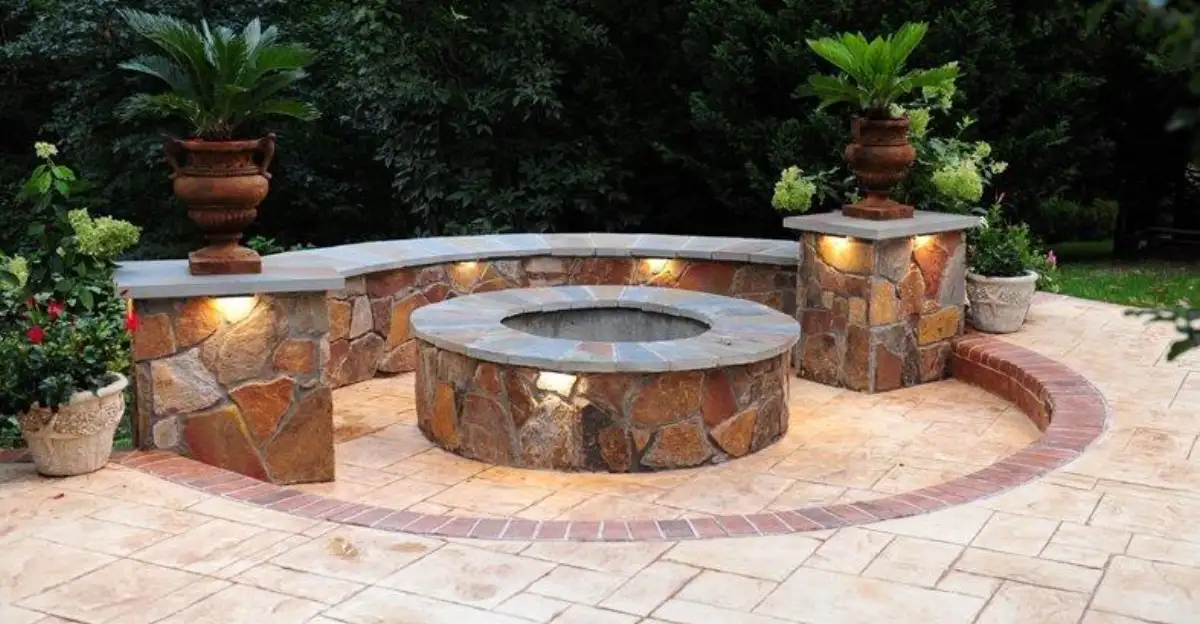
- Fire pit patios - Circular, square, or integrated areas with seating clearances and safe flow.
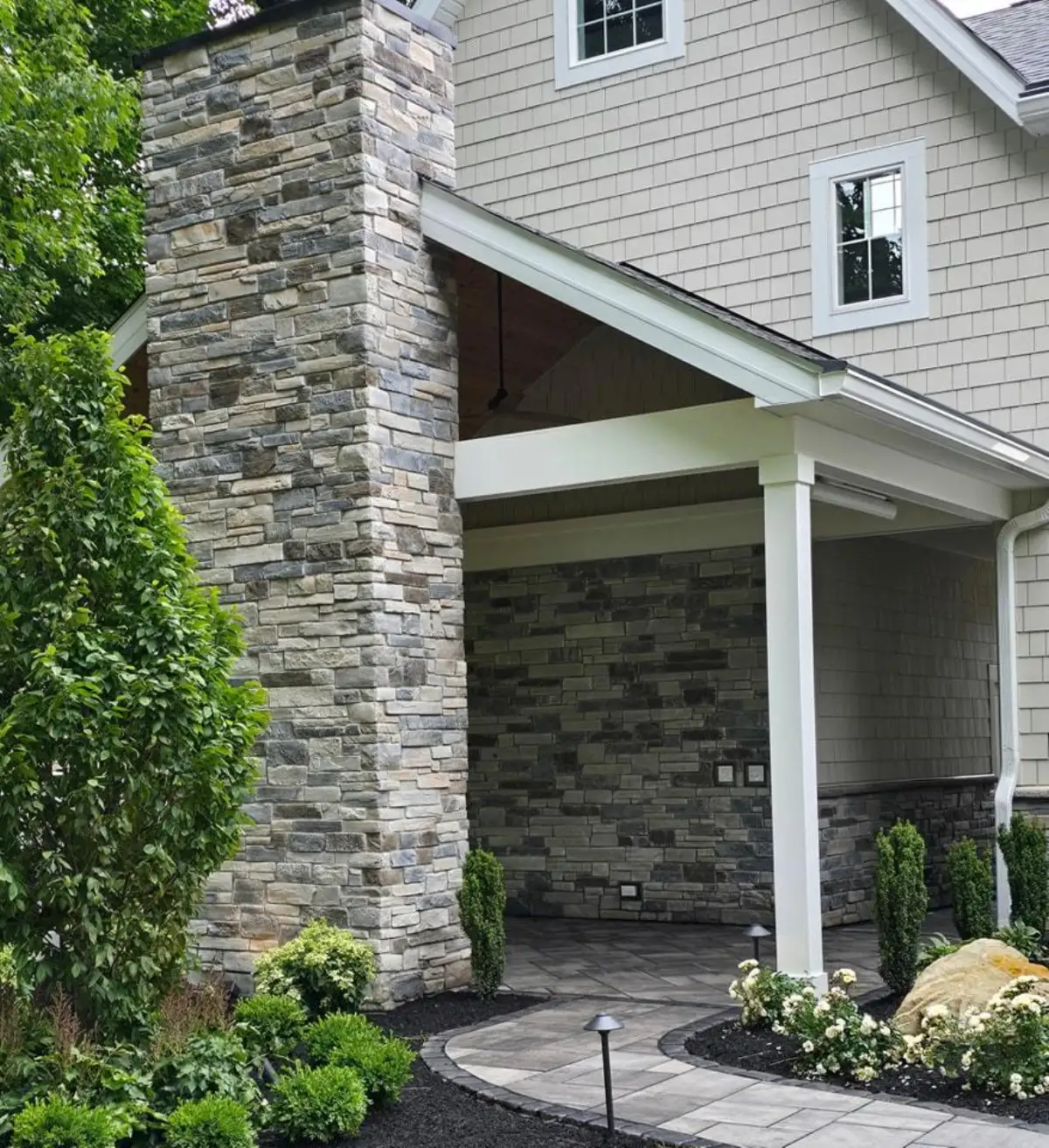
- Covered porch transitions - Paver surfaces tied neatly to steps, doors, columns, and adjacent beds.
- Walkway connections - Paths that connect the patio to drives, gates, gardens, or pool areas.
- Border details - Contrasting soldier courses, curves, and pattern changes for a finished look.
- Finish restoration - Soil, seed, mulch, and planting transitions after installation.
How a patio is installed
A durable patio comes from sequence, compaction, water control, and careful finishing.
1. Layout review
We mark the patio footprint and confirm size, furniture needs, access, and transitions.
2. Excavate and base
Crews remove material, install aggregate, compact in lifts, and set pitch for drainage.
3. Install pavers
Pavers, borders, cuts, steps, and edge restraints are installed with clean alignment.
4. Finish surface
Joint material, cleanup, grading, and surrounding restoration complete the patio area.
Patio Layout Decisions That Matter
Patio installation should create a level, comfortable place for furniture, dining, grilling, fire features, or a cleaner transition between the house and yard. A.J. Kraig reviews backyards, porch transitions, pool edges, and outdoor dining areas with the intended use in mind.
A patio that is too small for real chairs, grill clearance, walking space, steps, and drainage pitch will feel crowded no matter how good the materials look. Door locations, furniture dimensions, sun and shade, downspouts, base depth, paver pattern, border cuts, and future fire or kitchen plans all shape the layout.
Before pavers are placed, the footprint, pitch, base compaction, and access route protection need to be clear. Northeast Ohio weather, clay soil, slopes, shade, and tight side-yard access can affect how patio work is sequenced.
Walkways, seating walls, fire pits, outdoor kitchens, lighting, planting, and lawn restoration often belong in the same patio conversation. Coordinating those items gives the finished outdoor room better flow and cleaner edges.
Patio Installation FAQ
Size depends on furniture, traffic paths, grill location, fire features, and how many people you entertain. We help measure real clearances before finalizing the footprint.
Yes, but the project may require grading, steps, retaining walls, or drainage work to create a comfortable and stable surface.
We commonly work with quality paver and wall products suited to Northeast Ohio conditions. The exact selection depends on style, budget, availability, and performance needs.
Often, yes, but it is better to plan for future lighting, gas lines, or fire features during the patio layout so later work is cleaner.
Start with the patio layout, not just the paver color
A.J. Kraig can help size, plan, and install a patio that works for how you want to use your backyard.