
Synthetic Turf Installation with Proper Base, Drainage, and Edges
A.J. Kraig installs synthetic turf as a built landscape surface, with attention to drainage, seams, infill, and the surrounding hardscape or planting beds.
Artificial grass performs only as well as the installation below it
Synthetic turf installation starts below the green surface. The existing soil or lawn has to be removed, the base has to be built for drainage, and the edges have to be secured so the turf does not shift or curl. A.J. Kraig treats turf installation as site work, not a cosmetic cover-up.
Every turf area has a different job. A dog run needs drainage and cleaning performance. A putting-style surface needs smoothness and speed. A decorative lawn needs natural appearance and clean transitions. A side yard needs durability and water movement. Those differences guide product selection and installation method.
We install turf in coordination with patios, beds, walls, fences, and drainage features. That matters because the best-looking turf installations are not isolated patches; they are integrated with the rest of the landscape.
Installation choices that prevent problems
A clean turf project depends on base depth, compacted material, seam layout, infill, and edge restraint.
Base depth
Excavation and aggregate depth are selected for drainage, use, and existing soil conditions.
Seam planning
Roll direction, seams, cuts, and grain are planned so the surface looks consistent.
Infill choice
Infill is matched to pets, play, appearance, heat, odor control, and maintenance expectations.
What our installation scope considers
A.J. Kraig reviews the area before recommending synthetic turf installation. We look at where water goes, how people or pets will use the space, what borders the turf, whether the area needs grading, and whether any drainage correction should happen first. Skipping that review can lead to wrinkles, smells, puddles, or poor transitions.
The installation can include removal of existing lawn, base preparation, compaction, turf layout, seam work, infill, brushing, and final edge cleanup. When the project touches patios, beds, or fencing, we coordinate those edges for a neater finish.
- Pet installation - Drainage-focused base and product decisions for dog use and cleaning.
- Play installation - Consistent surface planning for children and family activity areas.
- Decorative lawn replacement - Low-maintenance turf for small spaces, courtyards, and hard-to-mow areas.
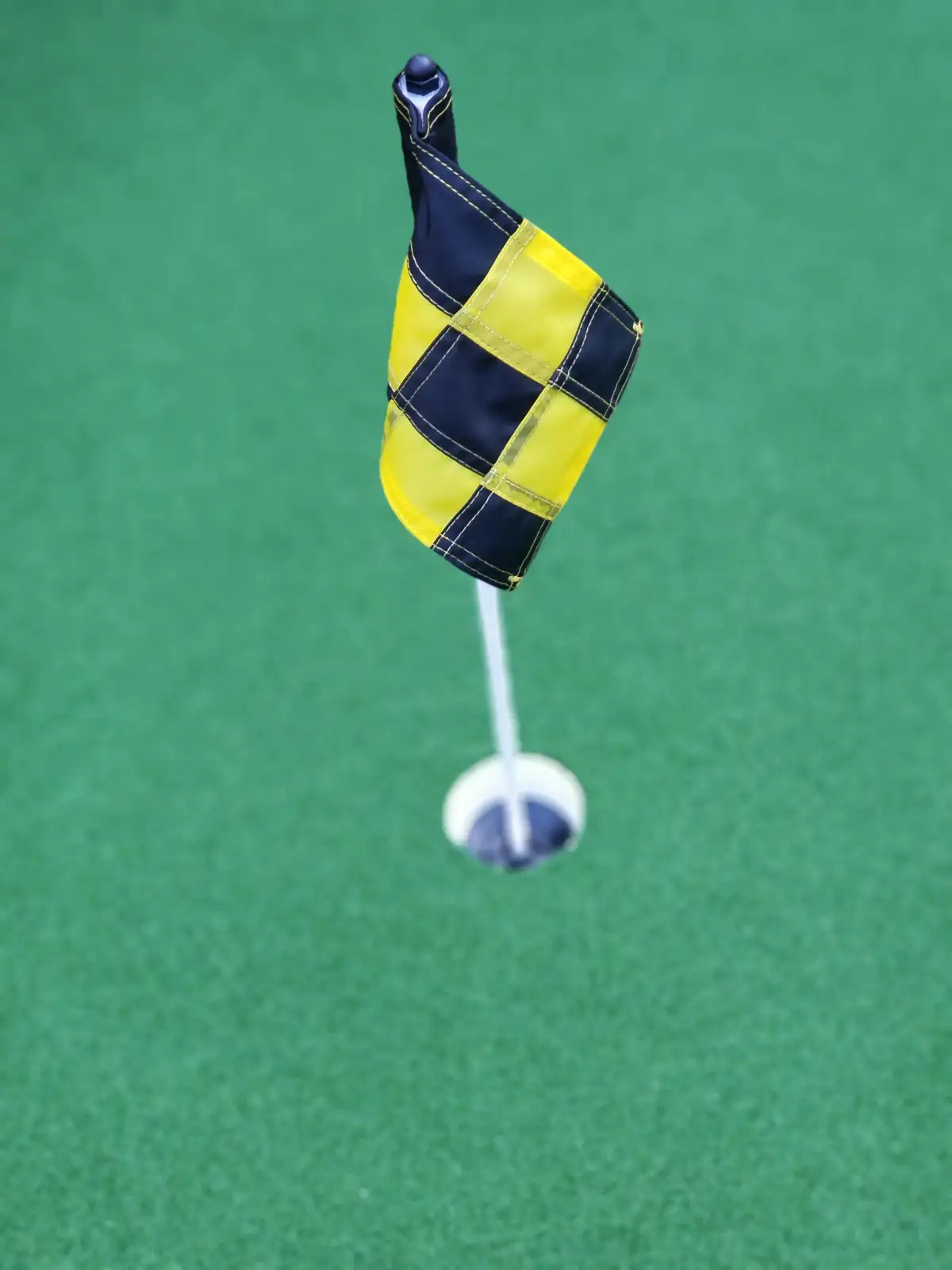
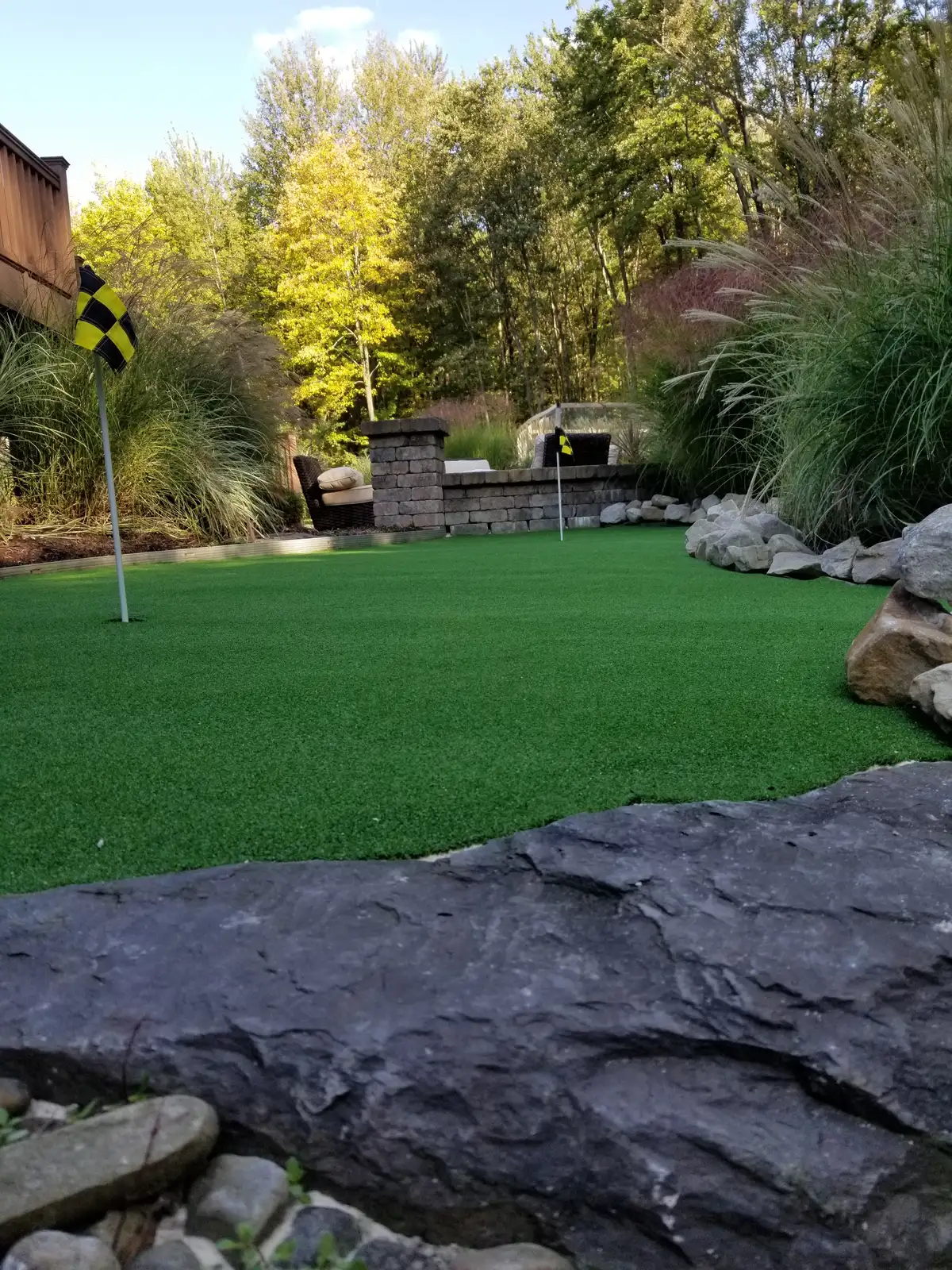
- Putting or practice areas - Turf and base choices that support smoother ball roll.
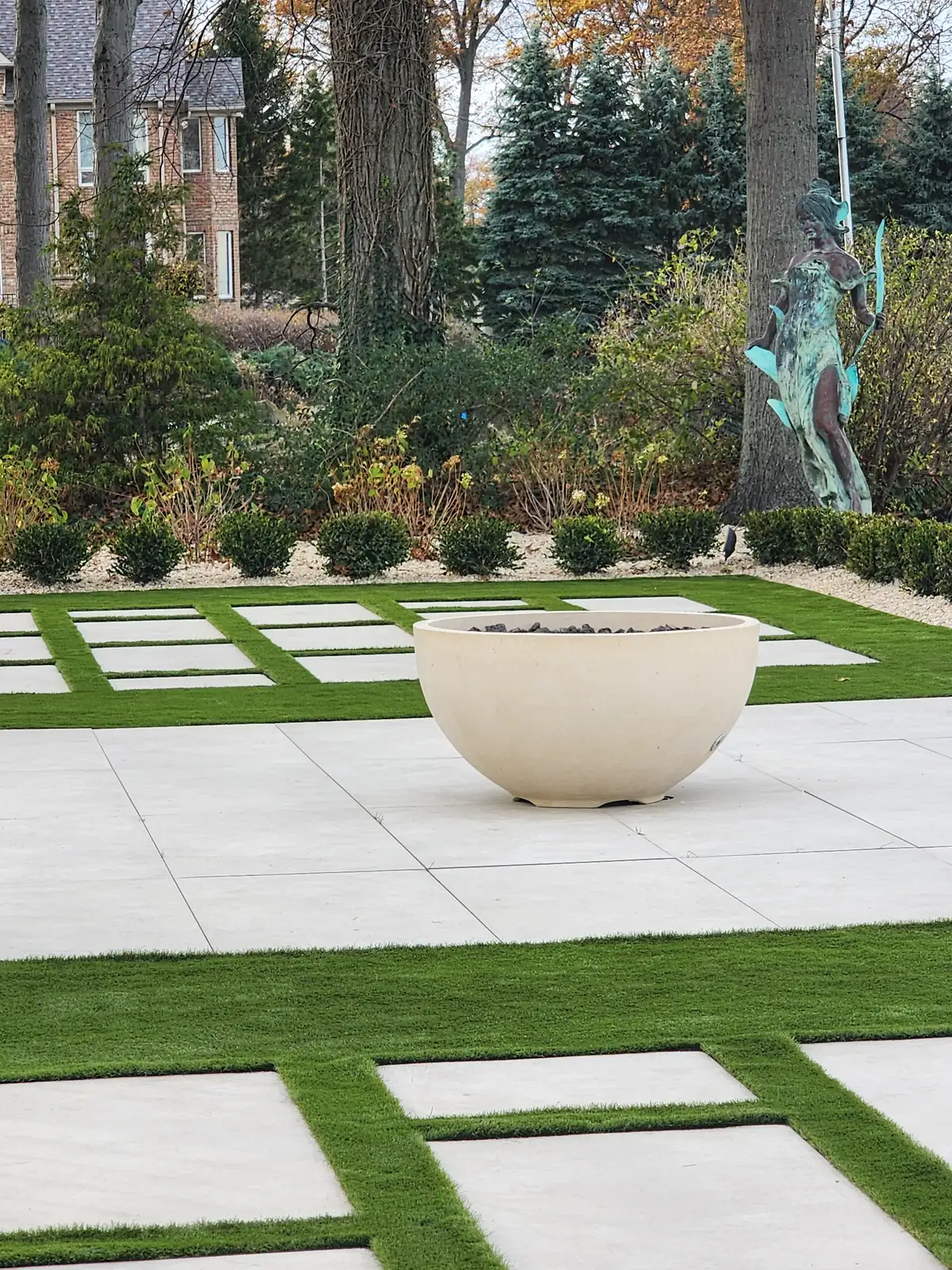
- Edge integration - Clean transitions to pavers, mulch, stone, concrete, and fences.
- Drainage correction - Grade and base improvements when water is the reason grass failed.
Synthetic Turf Base, Drainage, and Edges
Synthetic turf installation should be treated as a built surface, not a quick cover over poor soil. A.J. Kraig plans backyards, pet zones, putting areas, narrow side yards, play spaces, and low-maintenance lawn replacements around the base, drainage, edge conditions, and intended use.
Skipping excavation, compaction, drainage, seam planning, or edge restraint can shorten the life of the surface. Subgrade, aggregate base, seam direction, product type, infill, pet cleaning needs, border materials, and water exit points all shape the installation plan.
During layout and base preparation, crews shape the base, confirm drainage, cut turf cleanly, secure edges, and brush in the selected infill. Northeast Ohio sites can bring tight access, clay soil, shade, grade changes, and weather delays that need to be considered before installation starts.
Drainage correction, patio edges, pet-friendly yards, putting greens, play spaces, and bed redesign often share the same area. Planning those pieces together gives the turf a cleaner edge and better long-term performance.
Synthetic Turf Installation FAQ
Small areas may take a few days, while larger or more detailed spaces take longer depending on excavation, access, drainage, and edge work.
Often, yes, but the cause of the mud must be considered. Drainage and base preparation are key to keeping the finished surface usable.
Yes. Pet turf should be planned around drainage, odor control, cleaning, and durable traffic patterns.
Yes. Paver and turf transitions can look very clean when elevations, edges, and drainage are planned together.
Installation quality shows up at the seams and edges
Most synthetic turf problems begin where the surface meets something else. Fences, patios, beds, drains, steps, and narrow side yards all require careful cutting and secure edges. A.J. Kraig plans those transitions before the turf is rolled so the finished surface looks intentional and stays in place.
The base is just as important. A compacted drainage base helps prevent soft spots, puddling, odors, and wrinkles. That preparation is what separates a professional turf installation from a temporary cover over the same site problem.
Install turf as a surface, not a shortcut
A.J. Kraig can evaluate the base, drainage, and use case before recommending a synthetic turf installation.