
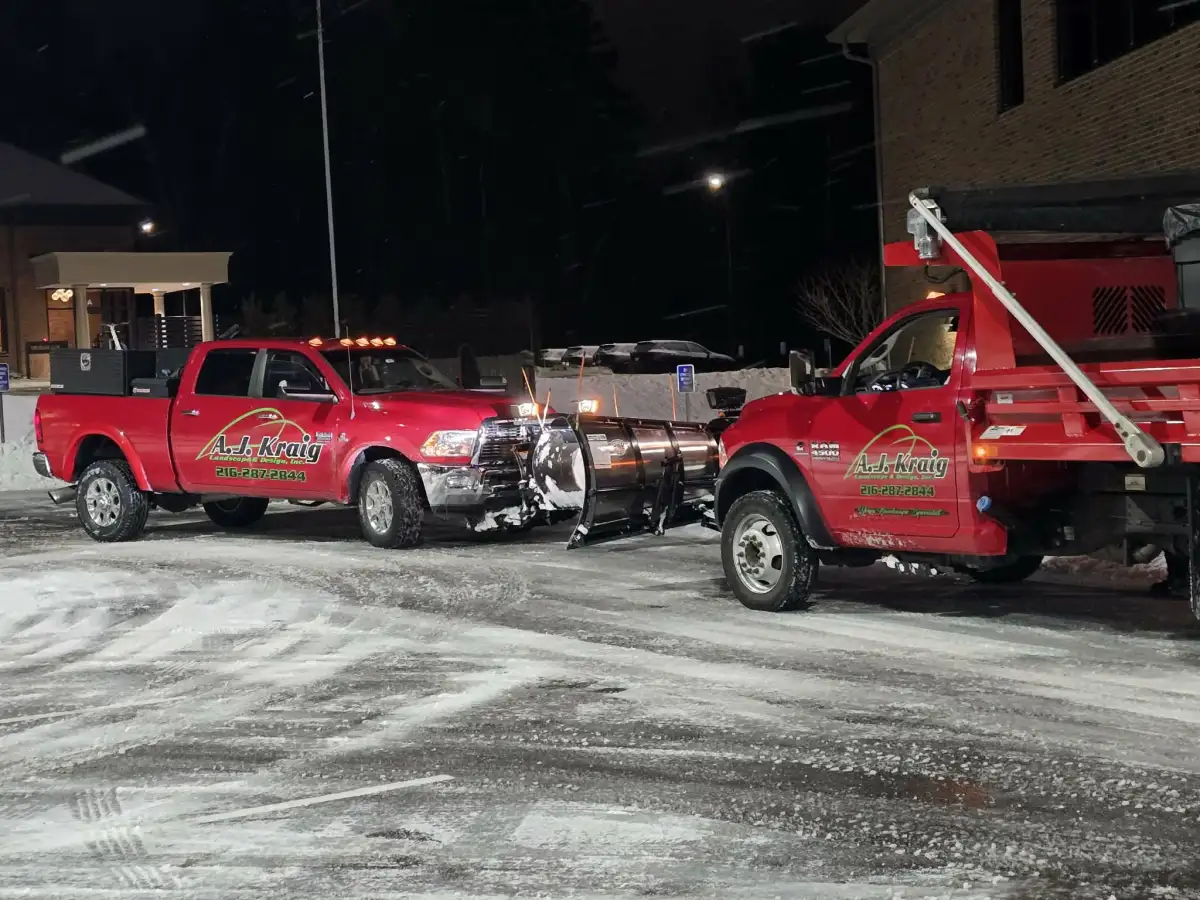
Winter Landscaping Services That Protect Access and Spring Curb Appeal
A.J. Kraig helps properties handle winter access while protecting the landscape features that need to recover in spring.
Winter service affects the landscape long after snow melts
Winter landscaping services are about more than pushing snow. Plow routes, salt placement, pile locations, shrub exposure, turf edges, drainage, and spring repair all affect how a property looks when the weather breaks. A.J. Kraig considers those details when planning winter support for Northeast Ohio homes and managed properties.
Snow and ice service has to keep drives, walks, entries, and parking areas usable. At the same time, careless piles can break branches, scrape turf, bury plantings, and leave salt damage along beds. A landscape-minded winter plan reduces those avoidable problems.
For clients who use A.J. Kraig in other seasons, winter service also connects to spring cleanup and landscape recovery. We know where beds, walls, irrigation heads, and turf edges are located, which helps protect the property during storms and identify any repairs once snow is gone.
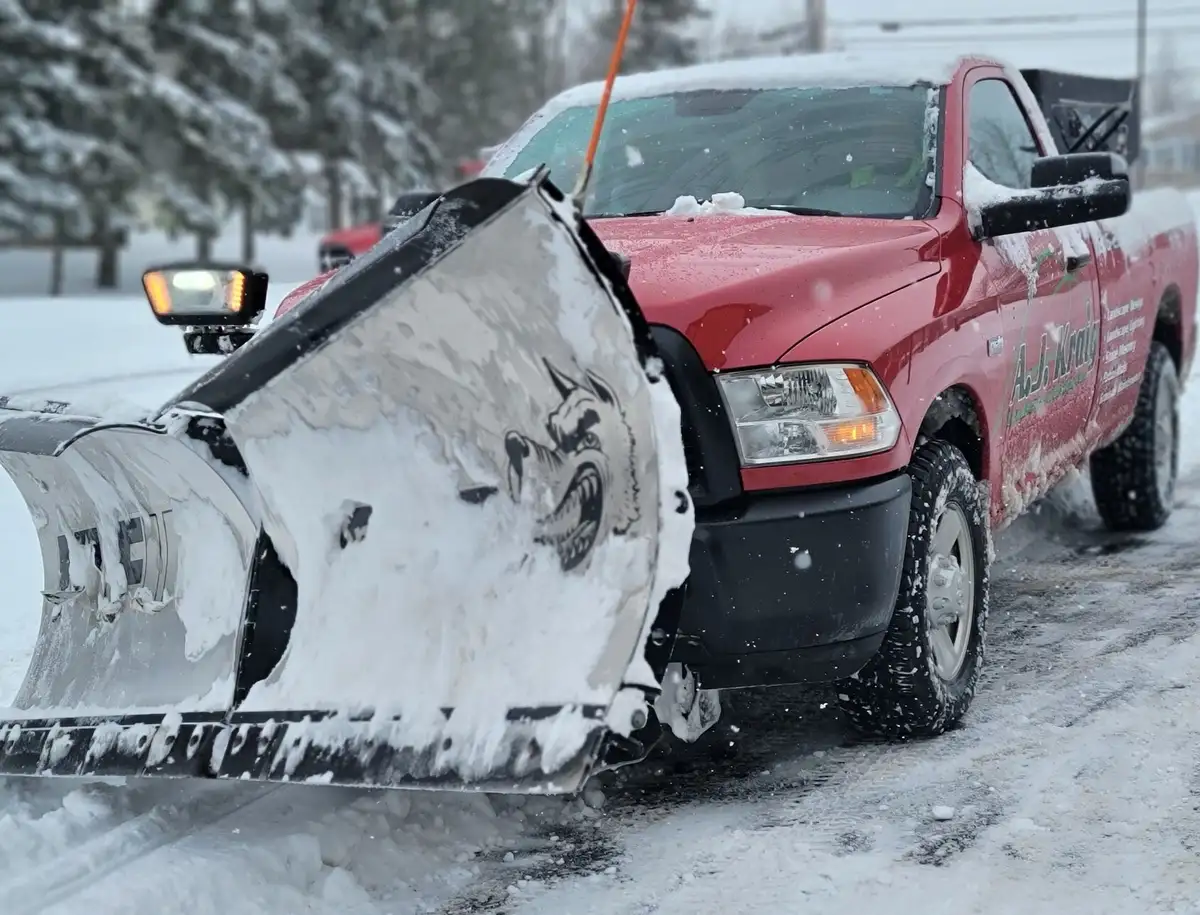
Winter issues that affect the landscape
Cold-season decisions can protect access now and reduce cleanup later.
Snow pile locations
Piles should avoid vulnerable shrubs, drainage paths, visibility areas, and turf that will be damaged by repeated stacking.
Salt exposure
Salt can damage turf and plants, so application should be practical and focused on safety-critical areas.
Spring recovery
Turf edges, broken branches, plow marks, and debris are easier to correct when winter impacts are tracked.
Winter service for access, safety, and spring recovery
A.J. Kraig helps North Royalton and Northeast Ohio properties stay usable through snow, ice, freeze-thaw cycles, and early spring cleanup. Commercial sites may need parking lots, walks, entrances, and service routes managed with liability in mind. Homes often need driveway, walkway, patio, planting, and outdoor feature protection.
Winter service also means looking ahead. Stakes, edge awareness, pile planning, and knowledge of landscape features help protect walls, turf, irrigation heads, and plantings. The work should keep the property usable without creating unnecessary spring repair.
- Snow access planning - Driveways, walks, entries, and parking areas reviewed before storms.
- Landscape protection - Beds, walls, turf edges, and shrubs considered when routes and piles are planned.
- Salt-aware service - Ice management focused on usable surfaces and property-specific risk.
- Commercial winter support - Managed access for business, HOA, and multi-family properties.
- Residential winter support - Driveway and walkway considerations around homes and outdoor living features.
- Spring handoff - Winter impacts noted for cleanup, turf repair, pruning, or bed correction.
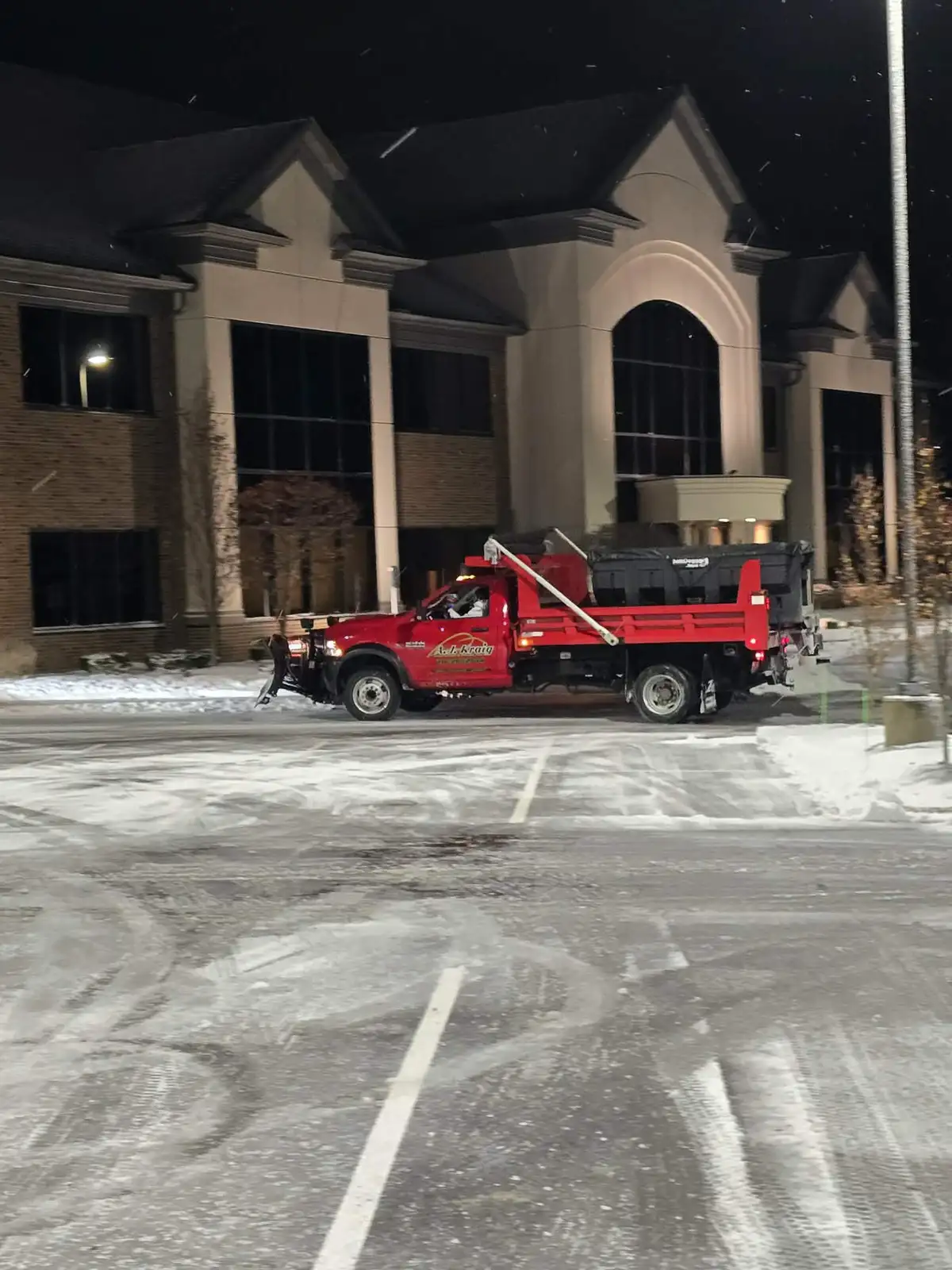
Winter Service Planning Before Snow Covers the Site
Winter landscaping service protects access while reducing salt damage, broken shrubs, plow marks, and spring cleanup problems. A.J. Kraig reviews homes, businesses, HOAs, planted beds, turf edges, drives, walks, parking lots, and valuable landscape features before snow hides them.
Snow piles need to be planned for where they will melt, drain, block sightlines, or stress plants. Pile locations, pavement edges, salt-sensitive turf, shrub lines, walls, drains, pedestrian routes, and spring recovery needs all influence the winter scope.
Pre-winter planning should mark sensitive areas, choose pile locations, clarify access priorities, and set expectations for spring cleanup. Northeast Ohio storms can change quickly, so route planning has to balance safety, timing, and landscape protection.
Snow removal, lawn repair, shrub pruning, bed cleanup, drainage, and commercial property maintenance all connect to winter landscape planning. Coordinating them before the season helps the property recover faster when weather breaks.
Winter Landscaping Services FAQ
They consider how snow, salt, piles, and access affect beds, turf, walls, shrubs, and spring cleanup, not just pavement clearing.
Yes. Salt can stress turf and plants, especially near walks, drives, and parking lots. Application should be targeted and practical.
Yes. Pile planning helps protect visibility, drainage, turf, shrubs, and usable parking or access areas.
Yes. Winter impacts such as debris, edge damage, broken branches, and turf repair can be addressed as part of spring service.
Winter choices can create spring work
Snow piles, salt, and plow edges can leave behind turf damage, broken branches, compacted beds, and debris after the thaw. A.J. Kraig treats winter landscaping services as part of the annual property cycle, not a separate emergency task. Planning ahead reduces the amount of repair needed when spring cleanup begins.
This is especially important for properties with newer patios, walls, irrigation heads, specimen shrubs, or high-visibility entry beds. Knowing where those features are before a storm helps crews make better decisions when everything is covered.
Plan winter access with spring in mind
A.J. Kraig can review your property before winter weather creates avoidable landscape damage.