
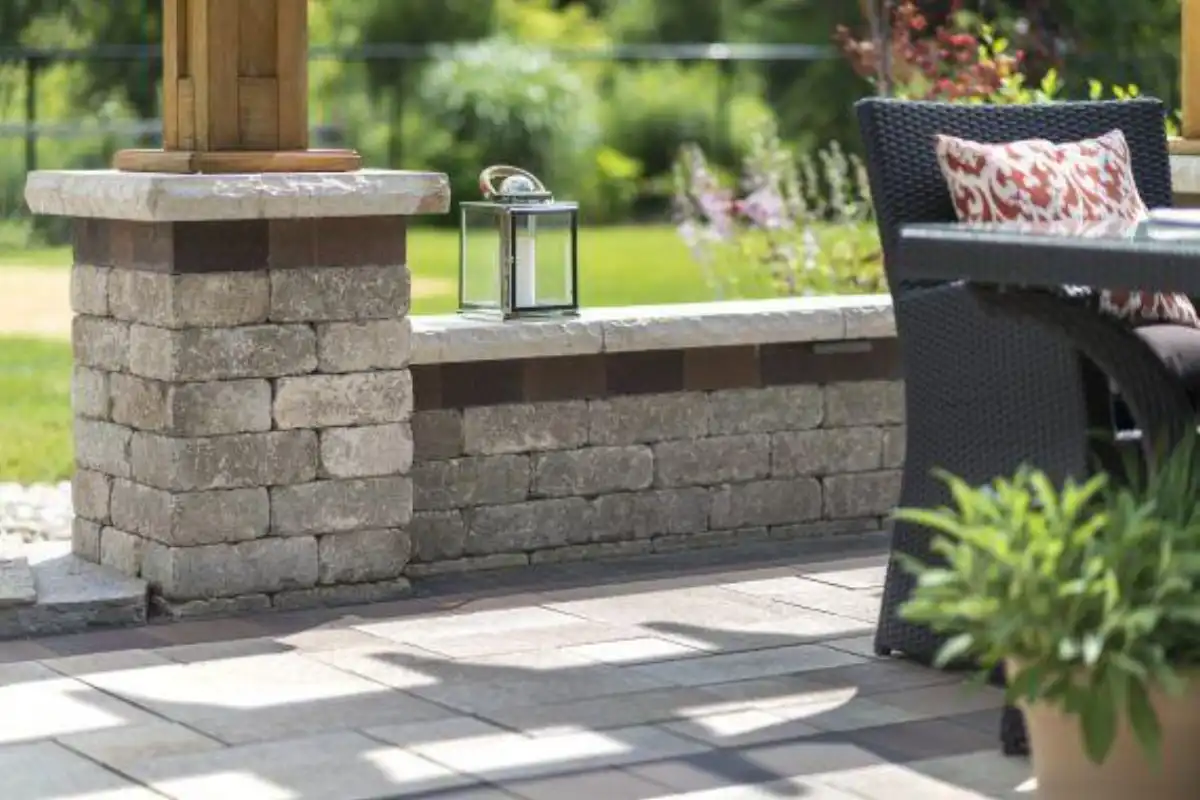
Retaining Wall Installation for Slopes, Erosion, and Usable Space
A.J. Kraig builds retaining walls that manage grade, control erosion, and create more useful outdoor space with proper drainage behind the wall.
A retaining wall has to hold back more than soil
Retaining wall installation is structural work disguised as landscape improvement. A wall may frame a patio, support a slope, protect a driveway edge, create tiered beds, or stop erosion near a low area. Whatever the purpose, the wall must be planned around soil pressure, water, height, surcharge, and the space around it.
A.J. Kraig evaluates the slope, drainage patterns, access, wall height, and nearby structures before recommending a wall system. In Northeast Ohio, walls need particular attention to freeze-thaw cycles, clay soils, and water that builds behind the wall after heavy rain or snow melt.
A properly planned retaining wall can make a yard easier to maintain and more usable. It can create a level patio area, clean up a steep bed, protect turf from washout, or establish planting tiers that look intentional instead of improvised.
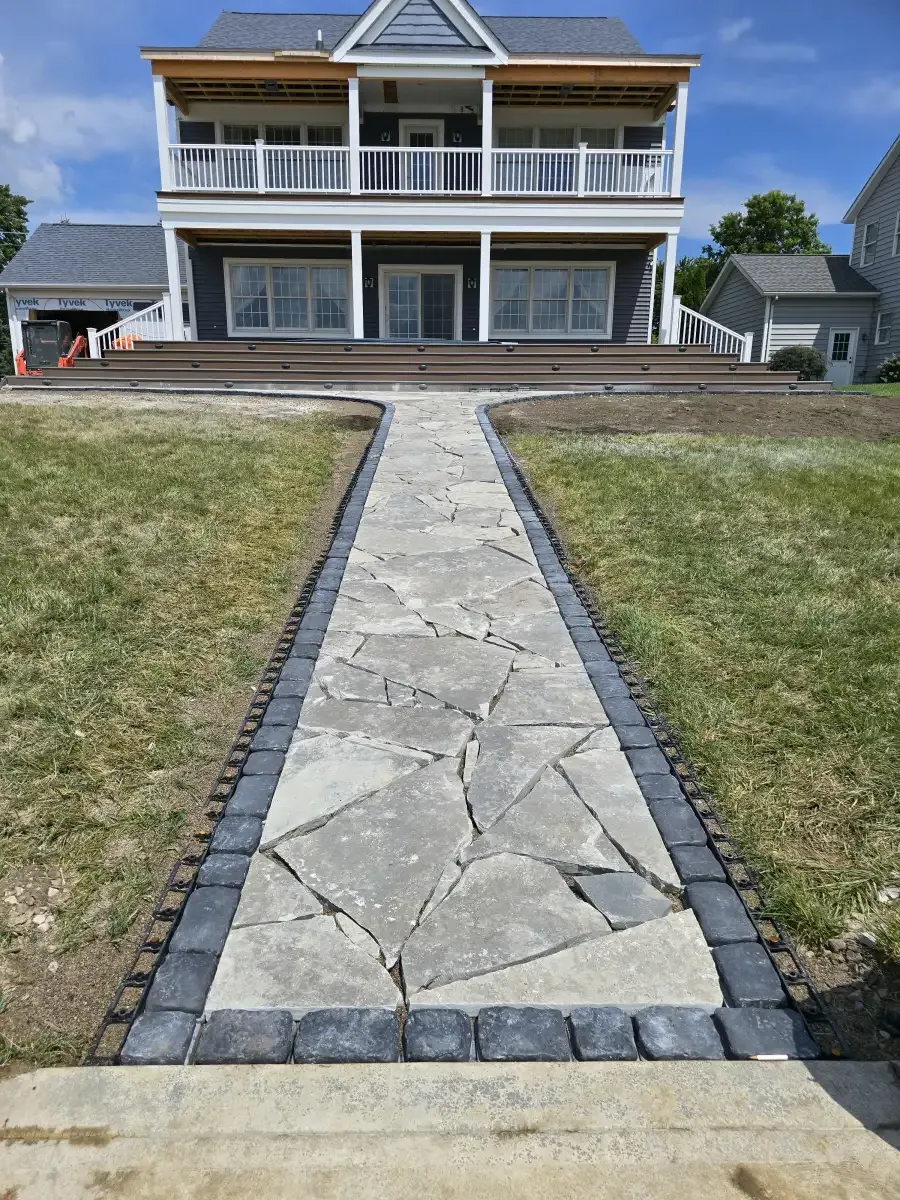
Retaining wall planning priorities
Wall performance depends on drainage, base, reinforcement, and what sits above or behind the wall.
Drainage behind the wall
Stone backfill, pipe, outlets, and fabric help relieve hydrostatic pressure that can push walls forward.
Wall height and load
Tall walls or walls near driveways, patios, or slopes may require additional engineering and reinforcement.
Usable finish grade
The wall should create a practical surface or bed, not simply move the same maintenance problem uphill.
Retaining wall uses around the property
A retaining wall can be decorative, structural, or both. We help clients understand which type they need. A low seating-height wall around a patio is very different from a tall slope-retention wall. The design, excavation, drainage, backfill, and reinforcement requirements change with the purpose.
A.J. Kraig can coordinate walls with patios, steps, walkways, plantings, drainage improvements, and lawn restoration. That is important because a wall rarely exists by itself. The surrounding grade and water movement determine whether the wall remains stable and whether the area is easier to use.
- Slope retention - Walls that hold grade and reduce erosion on properties with elevation changes.
- Patio support - Walls that create level space for patios, fire areas, and outdoor living features.
- Tiered planting beds - Layered walls that organize slopes and make plantings easier to maintain.
- Drive and walk edges - Grade control near pavement, steps, and circulation routes.
- Drainage integration - Stone, pipe, outlets, and grading planned as part of the wall system.
- Finish restoration - Soil, seed, mulch, plants, or turf repair around the completed wall.
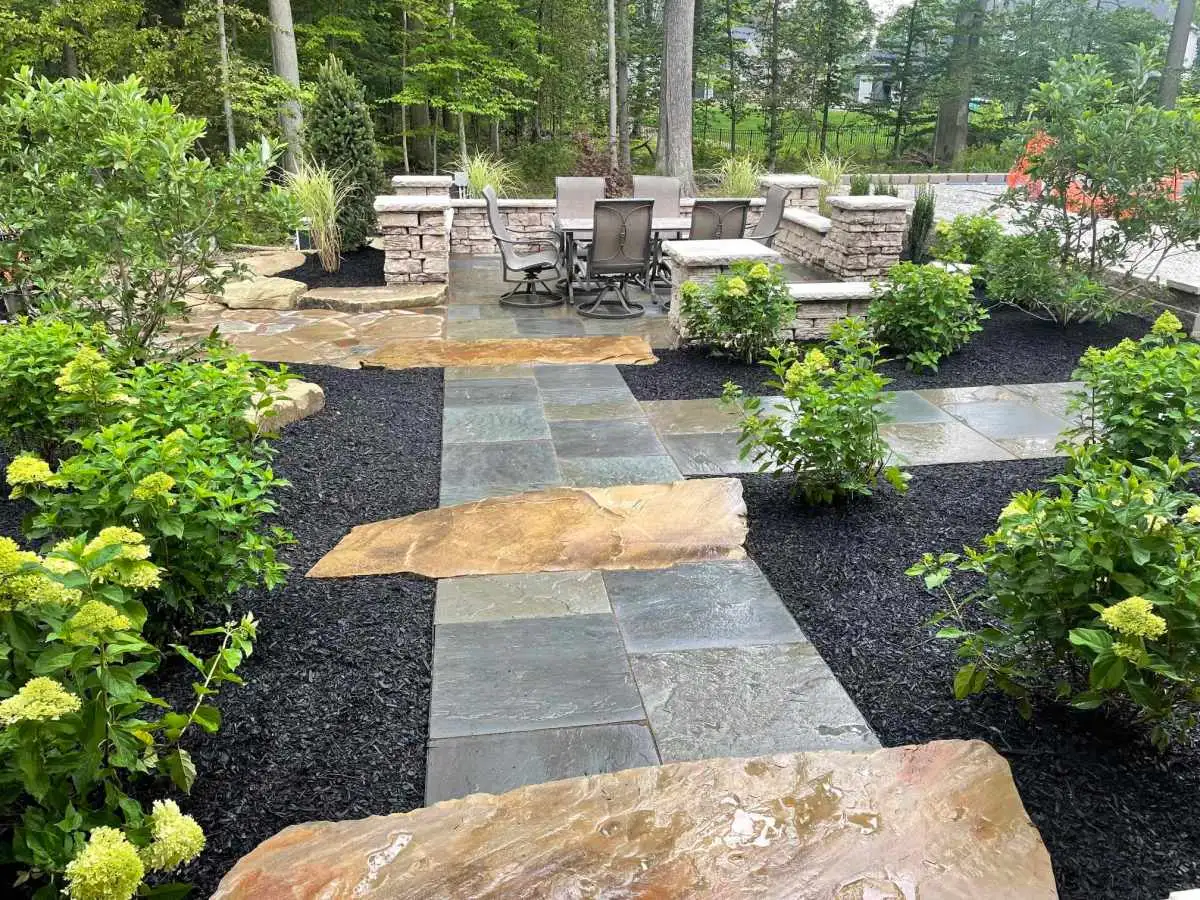
Retaining Wall Loads, Drainage, and Access
Retaining wall installation solves grade problems such as eroding beds, unusable slopes, leaning old walls, washed-out patio edges, and areas that need a level space for planting or outdoor living. A.J. Kraig starts by understanding what the wall must hold and how the surrounding yard should function.
The visible wall face is only one part of the project. Base depth, drainage stone, pipe, reinforcement, soil pressure, surcharge, slope above the wall, outlet locations, steps, and top-grade use all affect long-term stability.
Excavation and drainage setup need careful sequencing so the footing, backfill, and water path support the wall after heavy rain and freeze-thaw cycles. Local conditions across Northeast Ohio can vary by soil type, slope, shade, and equipment access.
Patios, steps, drainage, planting tiers, lawn repair, walkways, and erosion control are often connected to the wall. Considering those items early helps the finished grade look intentional and reduces avoidable disruption later.
Retaining Wall Installation FAQ
Yes. Water pressure is one of the main reasons retaining walls fail. Proper backfill, pipe, outlets, and grading are part of a responsible wall installation.
Height depends on the wall system, soil, slope, load above the wall, and local requirements. Taller walls may need engineering or special reinforcement.
Yes. Walls are often used to create a level patio or seating area on a sloped yard, but the patio and wall should be planned together.
Yes. We can evaluate why the wall is failing, remove the old material, correct drainage or base issues, and rebuild with an appropriate system.
Wall planning should account for what happens above the wall
The area above a retaining wall matters as much as the face people see. A driveway, patio, slope, heavy planting bed, or repeated foot traffic can add load behind the wall. A.J. Kraig reviews those conditions before recommending the wall layout so the structure is planned for the way the property is actually used.
Drainage outlets also need a practical destination. Water released behind the wall should not create a new problem at the bottom of the slope, across a walkway, or beside the house. Coordinating the wall with grading, beds, turf, and nearby hardscape creates a cleaner and more durable result.
Control the slope before it controls the yard
A.J. Kraig can review the grade, drainage, and wall options for your Northeast Ohio property.