
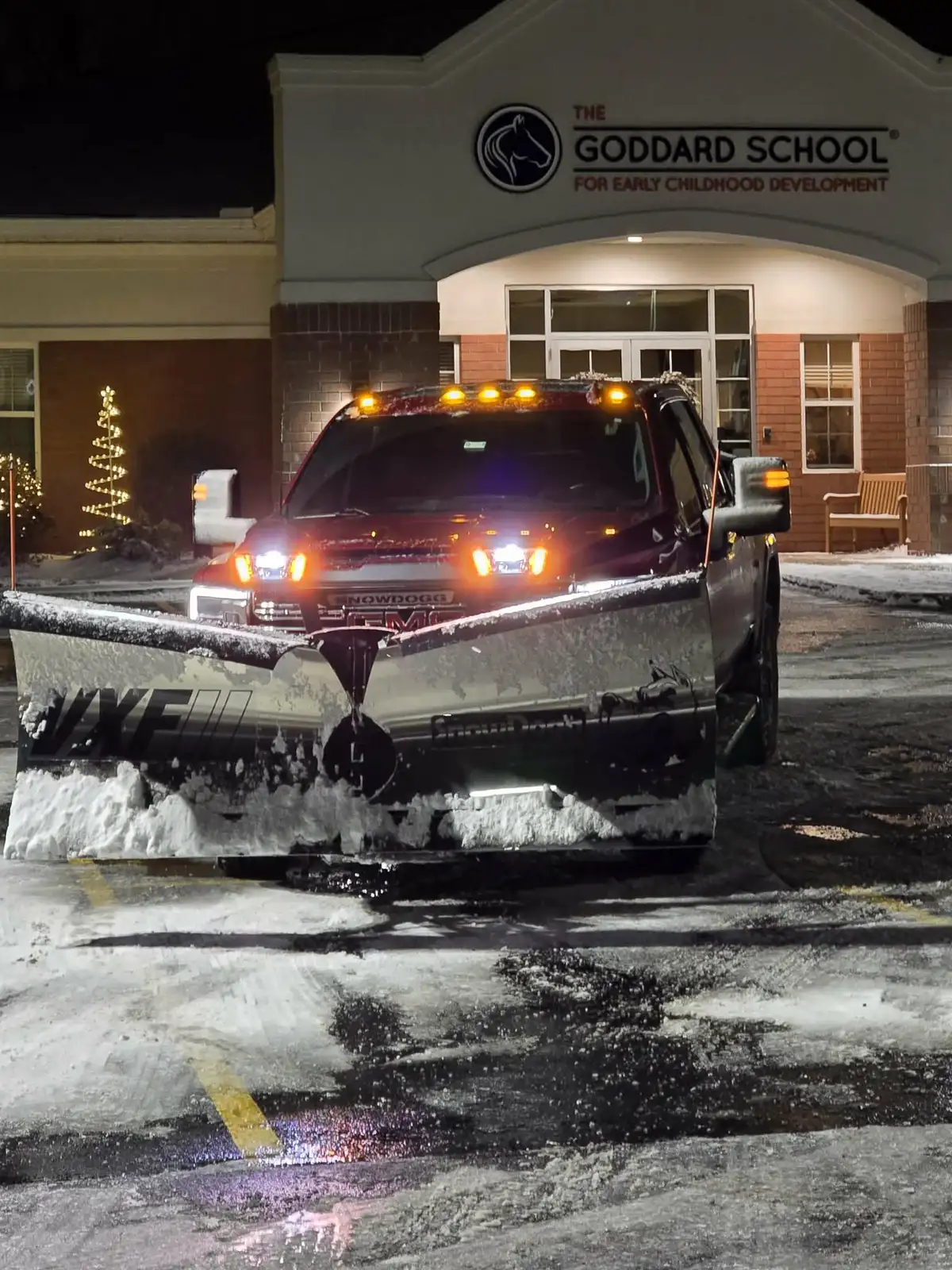
Winter Services for Snow, Ice, Access, and Property Protection
A.J. Kraig provides winter services that keep properties accessible while respecting pavement, turf, beds, walls, and spring recovery.
Winter service starts before the storm arrives
Good winter service depends on planning before snow covers the property. Drives, walks, parking areas, drainage paths, curbs, walls, beds, and turf edges should be understood ahead of time. A.J. Kraig brings landscape knowledge to winter service so snow and ice work does not create avoidable spring problems.
For Northeast Ohio properties, winter conditions can change quickly. Wet snow, refreeze, lake-effect bands, drifting, and thaw cycles all affect how service should be handled. We focus on practical access and safety while recognizing that salt, plow edges, and pile locations can affect the landscape.
Winter service can support homes, businesses, HOAs, and managed properties. The right scope depends on the surfaces that must remain usable, the timing of occupants or visitors, and the property features that need protection.
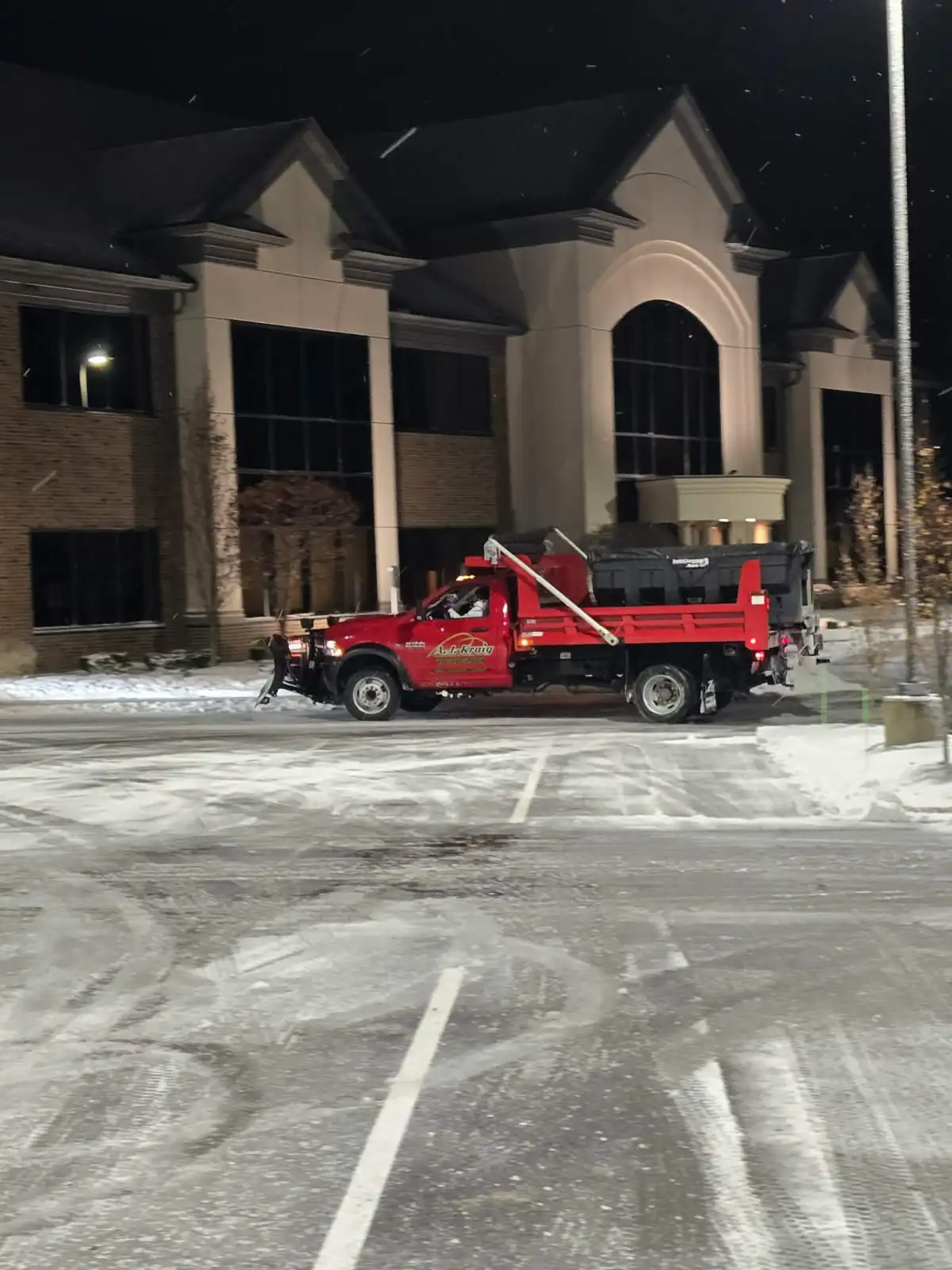
Winter service priorities
Access, safety, pile placement, and surface protection all matter during repeated storms.
Access timing
Service priorities depend on when residents, tenants, customers, or employees need to use the property.
Ice management
Salt or deicing decisions should focus on risk areas while limiting unnecessary exposure to turf and beds.
Surface awareness
Curbs, pavers, walls, drains, and turf edges need attention when visibility is low.
Winter services for homes and managed sites
A.J. Kraig can help clients plan winter services around the actual property layout. Residential sites may need driveway and walkway access with awareness of nearby plantings and hardscapes. Commercial sites may need parking, entrances, walks, loading areas, and communication expectations during storms.
The service is built around repeatable priorities. Which areas are cleared first? Where should snow be stacked? Which surfaces need ice attention? What landscape features should crews avoid? Answering those questions before winter reduces confusion during weather events.
- Residential access - Driveways, walks, entries, and outdoor feature access planned for winter use.
- Commercial access - Parking, entries, walks, and tenant or visitor movement considered during storms.
- Ice attention - Practical deicing for high-risk surfaces and repeated refreeze conditions.
- Snow stacking - Pile locations selected to preserve visibility, drainage, and landscape recovery.
- Hardscape awareness - Paver edges, walls, steps, and curbs considered during service.
- Post-winter cleanup - Debris, turf edge repair, and landscape recovery identified after the season.
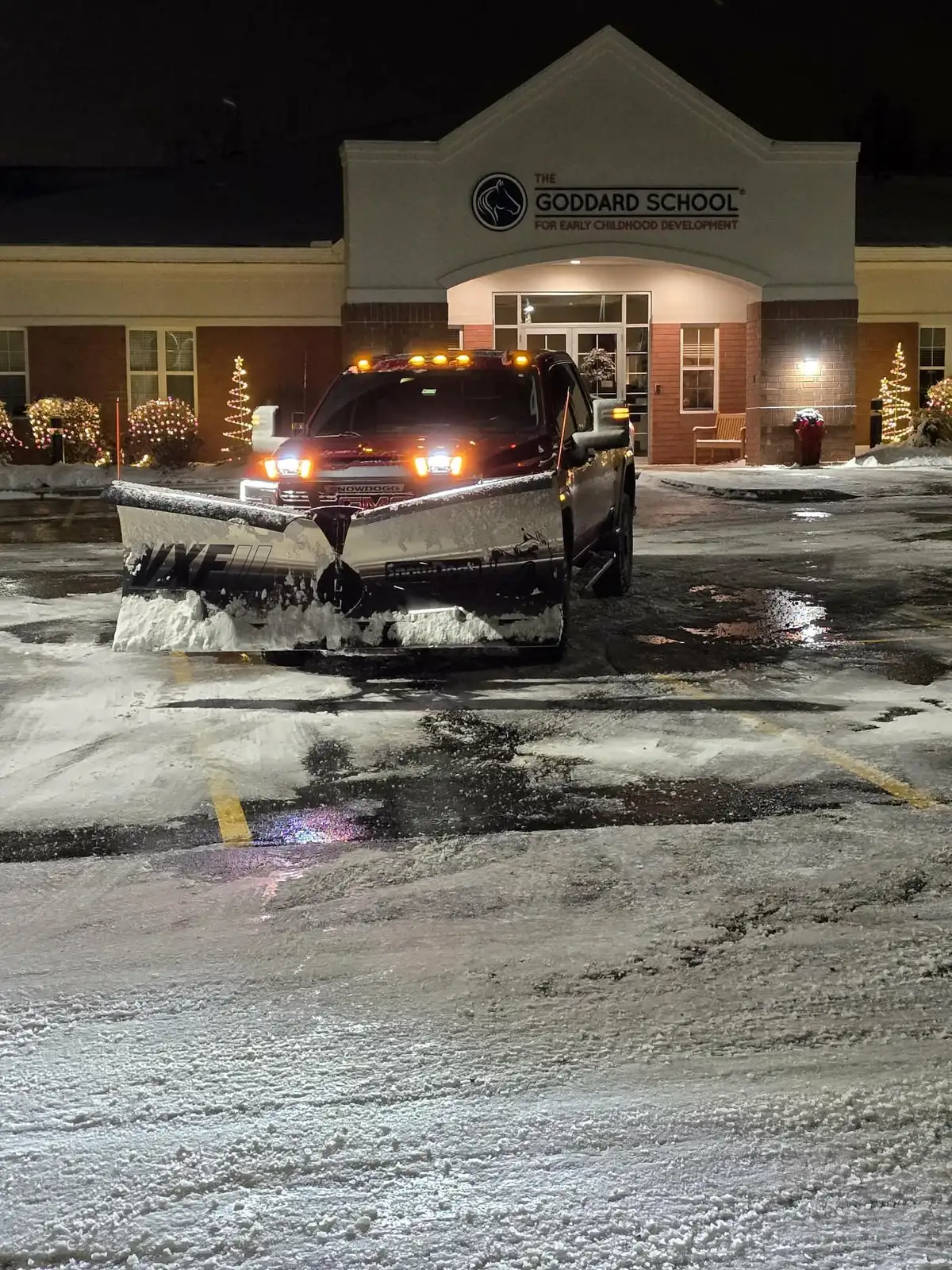
Snow and Ice Priorities for Safe Access
Winter service is about dependable access through snow, ice, refreeze, and lake-effect weather. A.J. Kraig plans around driveways, sidewalks, parking lots, entrances, loading areas, walkways, and landscape-sensitive edges so priority surfaces are understood before storms arrive.
Waiting until the first storm to decide pile locations, triggers, salt expectations, or access priorities usually creates preventable problems. The plan should account for accumulation, timing, traffic, drainage, pavement edges, visibility, walk priority, and the features that disappear once snow covers the property.
During storm response, crews clear critical surfaces, manage ice risk, and note areas that may need spring attention. Northeast Ohio weather can change quickly, so winter service needs a practical route plan for North Royalton, Brecksville, Broadview Heights, Strongsville, Fairlawn, Hudson, and Cleveland metro properties.
Winter service also affects commercial landscaping, spring cleanup, turf repair, drainage, and hardscape protection. Planning those connections helps reduce salt stress, plow damage, and cleanup surprises after the thaw.
Winter Services FAQ
Winter service can include snow clearing and ice management depending on the property and agreed scope.
Yes. Commercial winter support can be planned around parking areas, walks, entrances, tenants, and visitor access.
Planning pile locations, marking sensitive areas, watching edges, and using salt thoughtfully all help reduce winter damage.
Spring cleanup or repair recommendations can address plow marks, debris, salt stress, broken branches, and turf recovery.
Storm response works best with priorities already set
During a storm, the crew should not be guessing which walk, drive, entrance, or parking area matters most. A.J. Kraig discusses priorities before winter weather arrives so service can focus on the surfaces that keep the property usable. That conversation also identifies areas where snow should not be stacked.
After repeated events, winter service can affect drainage and spring recovery. Snow piles may block meltwater, salt may collect near turf edges, and plow marks may appear after thaw. Tracking those issues helps the property move into spring cleanup with fewer surprises.
Clear winter expectations also help homeowners and managers decide when to request added cleanup, extra ice attention, or a spring review of turf edges, beds, and hardscape surfaces after the harshest weather has passed.
Set the winter priorities before the next storm
A.J. Kraig can review access, snow pile locations, and landscape-sensitive areas before severe weather arrives.